



The Re-Up
A podcast by August Advisors
A podcast about the business of raising and allocating capital in private markets. In private markets, a re-up is the decision to recommit — the ultimate signal of trust. Hosted by Katie Fasken of August Advisors.
Latest episodes
Brian Kosoy from Sterling Organization on how retail became investable again
Brian Kosoy is Managing Principal and Chief Executive Officer of Sterling Organization, which he co-founded in 2007 — a vertically integrated retail real estate firm, and one of the 10 largest private owners of shopping centres in the United States.
He started the firm directly into the financial crisis and spent the following fifteen years in a sector institutional capital was abandoning. Sterling now owns more than 80 centres across 14 to 15 million square feet.
Katie and Brian trace how retail arrived where it is — from the department store to the category killer to the smart phone — and where the growth is now: legacy grocery leases well below market, small shop rents with room to run, and boxes coming free for the first time in decades.
They also talk about why he believes that, by and large, cap rates on institutional-quality real estate assets follow capital flows rather than interest rates, and why he thinks his LPs are more his bosses than limited partners.
Chris Smith from Ohana Real Estate Investors on why operating complexity is a feature, not a bug
Chris Smith is the founder and CEO of Ohana Real Estate Investors, an investment firm dedicated to the hospitality and residential sectors, where he has invested more than $4B since inception.
He started the firm in 2009 around a contrarian idea: that the operational complexity of higher-end hotels is not a risk to avoid but the opportunity itself.
Katie and Chris talk about why he treats hospitality as real estate first with an operating business on top, what the demand and supply data say about the luxury segment, why he favours resorts over cities, and how Ohana underwrites its exit before it buys.
He also explains what a set of car keys at 16 taught him about earning a re-up.
David Wong from CIBC Global Asset Management on how a $400B asset manager approaches private markets
David Wong is Group Chief Investment Officer of CIBC Global Asset Management, where he leads the investment team across Canada and the US for over $398B in assets. As head of Total Investment Solutions, he also oversees more than $100B in managed solutions.
He has more than 27 years of experience, beginning as a research analyst at Russell Investments.
Katie and David talk about where private markets fit inside a bank-owned platform, why Canadian investors remain underexposed to alternatives, the regulatory ceiling that shapes how much can go to privates, and what it takes to earn a re-up at scale.
He also explains the free coffee test — and why performance is only part of what a manager sells.
Anastasia Elia from IMCO on building a $10B private equity program from scratch
Anastasia Elia is Managing Director and Head of Private Equity at IMCO — the Investment Management Corporation of Ontario — where she leads the team running its roughly $10B private equity program.
When she joined in 2021, IMCO had inherited a small, fragmented portfolio. Ana and the team built it, largely from scratch, into a multi-client program of that scale in about five years.
Katie and Anastasia talk about pacing deployment through a hard market, why IMCO runs 15 core manager relationships, what a "Mini Maple" gains in the middle market, and what a GP has to show to earn a re-up.
She also explains why she passes on the one-and-done fundraisers everyone chases — if a manager doesn't need a partner, there's no relationship to build.
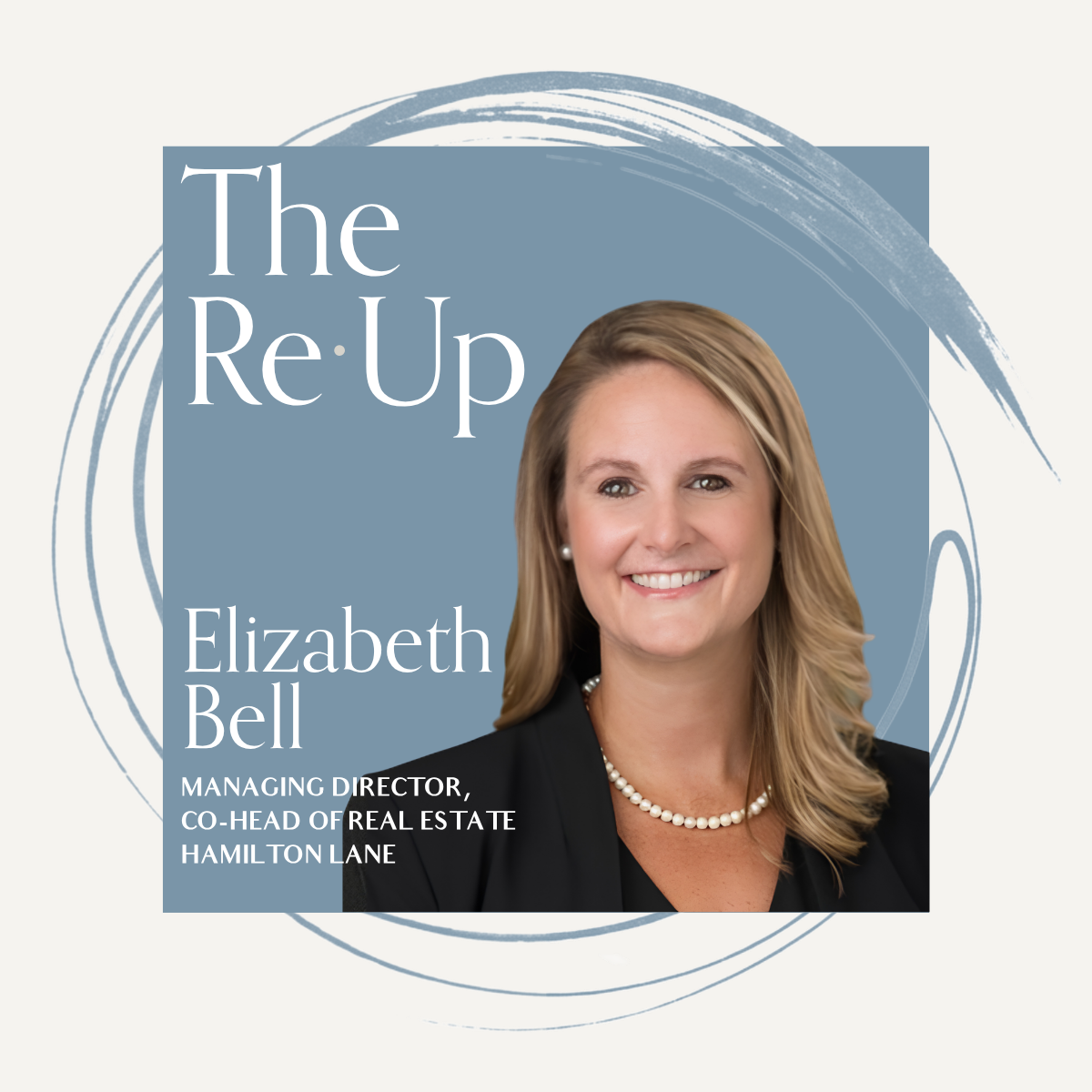
Elizabeth Bell from Hamilton Lane on why the real estate reset is a buying opportunity
Elizabeth Bell is Co-Head of Real Estate at Hamilton Lane, where she helps run a $114B real estate program and invests $2.5–3B a year across funds, secondaries, and co-investments.
She has spent about 20 years in real estate private equity, much of it on the GP side before moving to the allocator's seat.
Katie and Elizabeth talk about why institutional investors see today's reset as a chance to buy, the sectors leading and lagging the recovery, and where she sees opportunity, from data centers to necessity-based retail. They also get into the "re-emerging manager" and the discipline it takes to back one.
Her test for a re-up after a hard cycle: not whether everything went right, but how the manager behaved when it didn't.
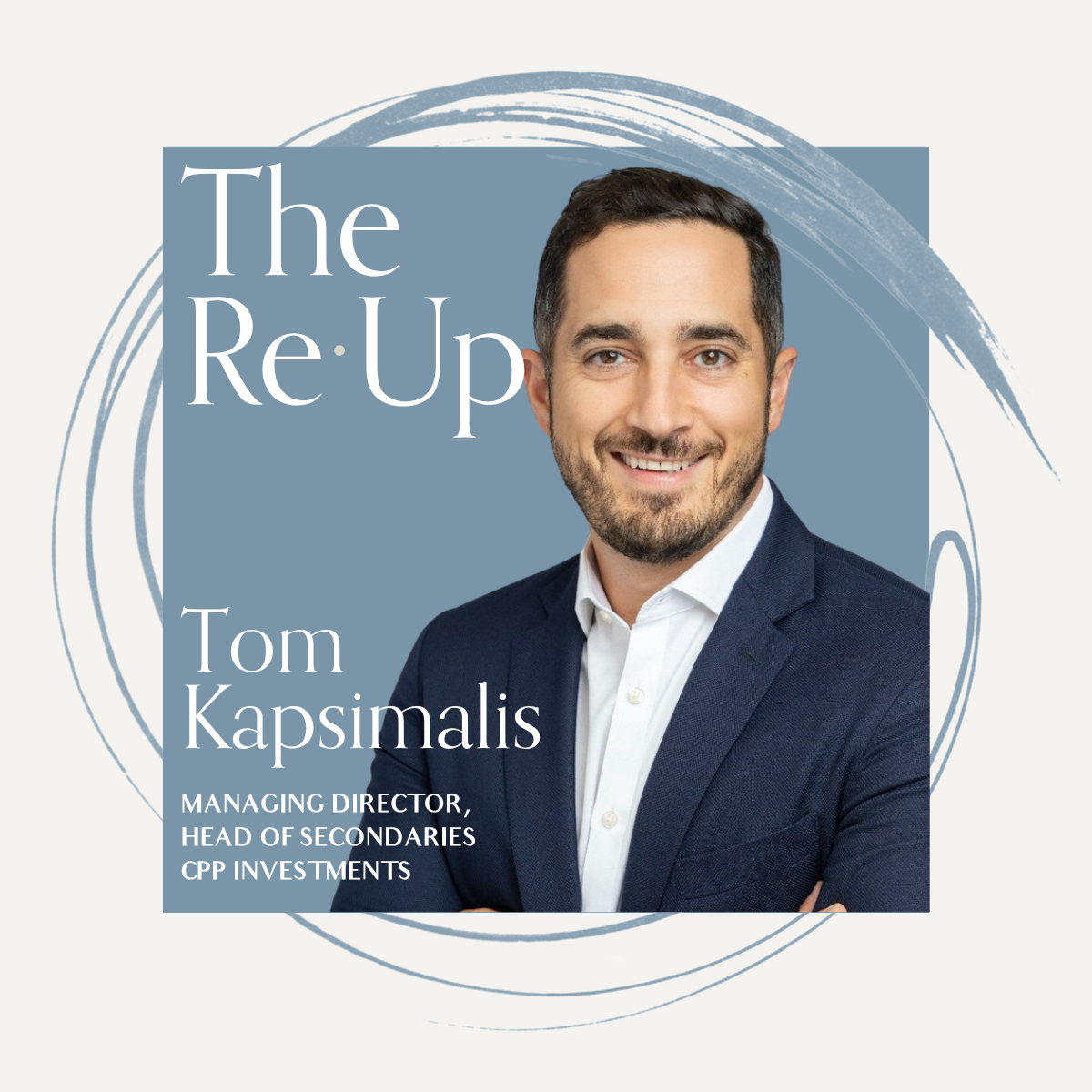
Tom Kapsimalis from CPP Investments on winning in a $220B secondaries market
Tom Kapsimalis is Managing Director and Head of Secondaries at CPP Investments, where he leads the team that buys and sells private equity stakes and continuation vehicles, deploying roughly $3–5B a year.
He has worked in secondaries since the market traded barely $10B a year; in 2025 it cleared $220B, and he has been part of that rise from the start.
Katie and Tom talk about how CPP decides where it has a real right to win, why alignment is the first thing he tests in a continuation vehicle, how a single secondary can become a years-long relationship with a manager, and where the market heads next.
His take on the "CV squared": the rationale for the deal matters as much as the price.

Jack Glover from Incline Equity Partners on why size is the enemy of returns
Jack Glover is the Founder and Managing Partner of Incline Equity Partners, a Pittsburgh-based private equity firm in the lower middle market, with a flagship fund just under $2B and two smaller funds built to stay there.
He has been investing for more than 30 years — and many of the investors who first backed him are still with him today.
Katie and Jack talk about why he refused to chase a bigger fund, the belief that size is the enemy of returns, the age-12 loss that shaped his approach, and how Incline creates value once it owns a business.
His rule on continuation vehicles: he'll only put his own money into single-asset deals where the GP rolls 100% of their carry.